Dr. Bhagyashri Dhake | Dentist in Baner

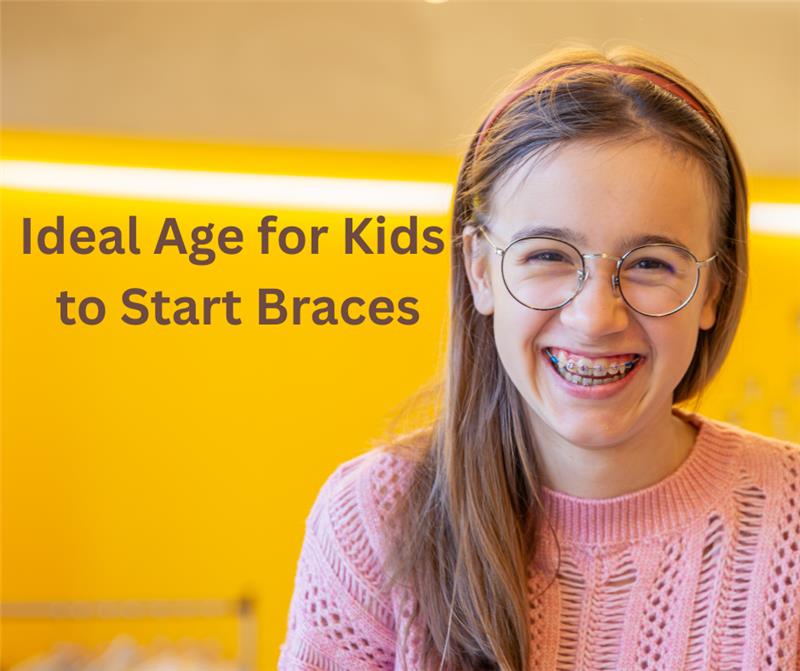
What is the Ideal Age for children to Start Braces? A Simple Guide for Parents

Parents often notice early changes in their child’s teeth—slight crowding, gaps, or a bite that doesn’t meet evenly—and naturally wonder when braces might be needed. Many families discuss these concerns with a Child dentist in Baner or the Best Dentist in Baner to understand the right age to begin orthodontic care. Because every child grows differently, the timing for braces depends on how the teeth erupt, how the jaw develops, and how everyday habits influence alignment. Understanding these early signs helps parents make calm, confident decisions as their child’s smile begins to take shape.

Why Early Awareness Helps

Children’s teeth start shifting and settling from the age of six. By the time they reach their teenage years, the position of their teeth becomes more stable and predictable. Being aware of these changes early helps parents notice:
  • Unusual spacing
  • Teeth erupting in unexpected directions
  • Uneven bite
  • Habits that influence alignment
Awareness does not mean early braces—it simply encourages observation and timely checkups.

The First Check Around Age 7

Most dental associations suggest the first orthodontic evaluation around age 7. This is not to start treatment, but to understand how the child’s teeth and jaw are developing. Around this age:
  • The first permanent molars usually appear
  • The upper and lower front teeth start settling
  • Bite patterns become clearer
  • Spacing or early crowding can be seen
This age acts like a “preview window.” Parents and dentists can see how the permanent teeth might grow and whether there might be future alignment concerns.

Why Age 7 Matters

Mixed dentition, which means a mix of baby teeth and permanent teeth, begins around this time. It helps identify early conditions such as:
  • Crossbite
  • Overbite or underbite
  • Deep bite
  • Early crowding
  • Teeth erupting sideways or behind other teeth
Some of these issues may correct on their own as the child grows, while others may need gentle guidance later.
The purpose of this early check is not to begin braces right away but to understand growth patterns and plan ahead if needed.

Most Kids Get Braces Between the Ages of 10–14

Although the first evaluation is done earlier, most children actually begin Dental Braces between 10 to 14 years. This age works well because:
  • Most permanent teeth have come in
  • Jawbone is still flexible
  • Tooth movement is smoother and more predictable
  • Children are usually more comfortable with the idea of braces
Since many kids go through orthodontic treatment around this time, it becomes socially easier too.

Do All Kids Need Braces Early?

No. Many children don’t need early braces. Some only need monitoring until they reach the right age, while others never require orthodontic treatment at all.
Early treatment is generally suggested only when:
  • Jaw growth is not balanced
  • Biting is difficult
  • Upper and lower teeth do not meet properly
  • Teeth cause gum irritation
  • Spacing is extremely uneven
  • Habits such as thumb-sucking affect development
These situations are more functional than cosmetic and may benefit from earlier guidance.

Signs Parents Can Notice at Home

Parents often spot the first signs during everyday activities. Some common hints include:
  • Teeth that overlap
  • Teeth erupting in the wrong place
  • Difficulty biting into food evenly
  • A clicking sound in the jaw
  • Mouth breathing
  • Speech changes
  • Grinding during sleep
  • Food is getting stuck frequently
  • Lip or cheek biting
These signs do not automatically mean braces are needed. They simply point to patterns that might need attention.

Role of Dental Braces in Childhood

Braces help guide the teeth into a healthier and more balanced position. They work slowly and gently by applying pressure, which helps shift teeth over time. Because children’s bones are still growing, the movement happens more smoothly and naturally during the pre-teen and early teen years.
Braces may help:
  • Improve bite
  • Relieve crowding
  • Align teeth
  • Guide jaw balance
  • Support better cleaning
  • Protect long-term oral wellness
Every child reacts differently, and the pace of movement depends on individual growth.

How Other Dental Procedures Affect Braces Timing

Sometimes, dental procedures that happen earlier in life influence when braces can start. For example, a Root Canal in a primary or early permanent tooth may be needed due to injury or deep decay. When this happens, spacing becomes important because losing a tooth too early can shift nearby teeth.
Keeping teeth stable until natural eruption supports future alignment. Likewise, extractions, gum concerns, or delayed eruption patterns may affect when braces are considered.

Jaw Growth: A Major Factor

Jaw growth is an important part of timing. The upper jaw develops earlier, while the lower jaw continues to grow longer. This difference may influence bite alignment.
Children with early signs of underbite, overbite or crossbite might need observation over a few years to see how natural growth progresses. Sometimes gentle appliances are used to guide the jaw, but only when necessary and only after observing long-term patterns.

Childhood Habits That Influence Alignment

Certain habits can affect how teeth develop. These include:
  • Thumb or finger sucking
  • Long-term pacifier use
  • Nail biting
  • Tongue thrusting
  • Lip biting
These habits may push teeth forward or change the bite over time. The goal is not to pressure children but to guide them gradually as they grow.

When Monitoring Is Enough

Many children do not require early braces. Instead, monitoring helps track:
  • Tooth eruption
  • Jaw alignment
  • Spacing patterns
  • Bite changes
  • Oral hygiene challenges
  • Growth of permanent teeth
Keeping an eye on these changes helps identify the ideal stage for braces if needed later.

Common Questions Parents Ask

1. Does starting braces early shorten treatment time?
Not necessarily. Starting too early may even extend the total treatment time. It’s usually best to wait until most permanent teeth have erupted unless early issues are present.

2. Are braces painful for children?
Children may feel mild pressure when braces are adjusted. This usually settles within a short time as the mouth adapts.

3. Can late teens still get braces?
Yes. Braces can work at older ages, too, though tooth movement may be slightly slower compared to early teen years.

A Natural Conclusion

Choosing the right time for braces begins with simple observation—watching how teeth appear, how the bite fits, and how the jaw grows over time. Many parents speak with a Child dentist in Baner to understand these changes better. With regular checkups and awareness of growth patterns, children can move through each stage comfortably. By staying mindful of alignment, spacing and dental habits, young patients build a strong foundation for long-term oral wellness, supported by steady guidance from the Best Dentist in Baner as they grow.

Scroll to Top