
Dr. Bhagyashri Dhake | Dentist in Baner

Uncategorized

Teeth Aligners in Baner
Uncategorized

How Invisalign Works?: A Clear Aligner Guide for First-Time Patients

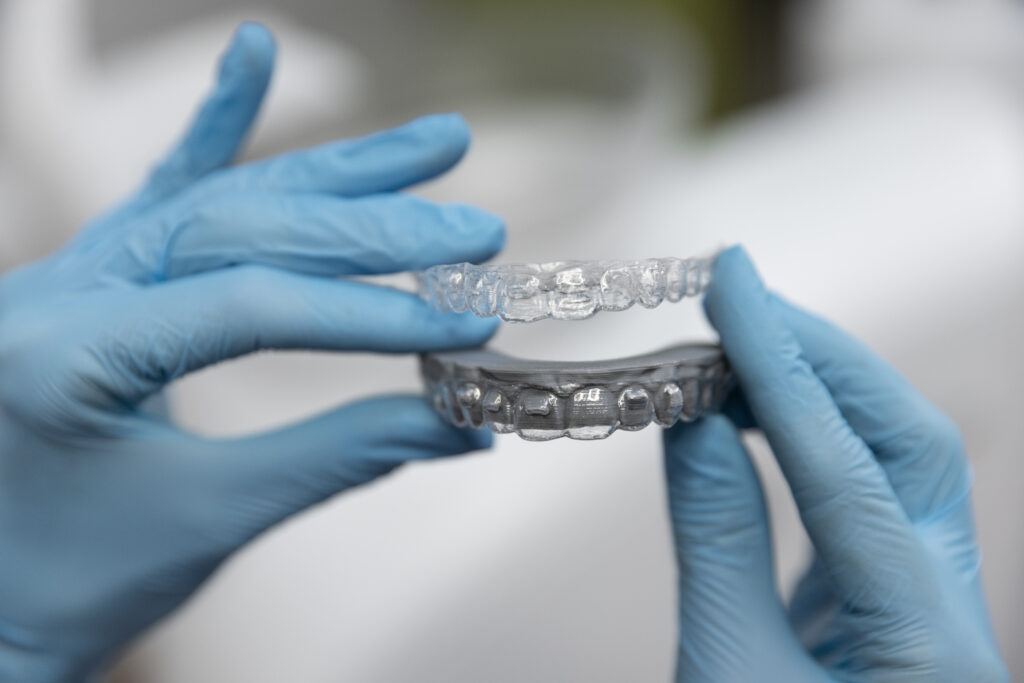
Starting a journey toward a straighter smile is a big step, especially for people trying it for the first time. Many individuals today look for options that feel comfortable, look natural, and fit easily into daily routines. This is one reason why Invisalign has gained attention among those exploring Teeth Aligners in Baner. Before choosing any method, patients often want to understand how the process works, what the experience is like, and what they can realistically expect. This guide shares clear, easy-to-understand information about Invisalign so readers can feel more aware and informed before speaking with a dental professional. What Invisalign Really Is: Invisalign uses a series of custom clear trays that slowly guide the teeth into better positions. These trays are made from a smooth, transparent material that blends with the natural look of the teeth. Instead of using metal brackets and wires, the movement happens through gentle pressure applied by each set of aligners. The change does not happen overnight; it occurs step by step, at a pace planned by the treating dentist. The concept is simple: each set of aligners represents a small movement. As patients switch from one aligner to the next, the teeth continue shifting until they reach their intended alignment. Because the trays are removable, many people feel they can maintain their daily habits, such as eating, brushing, and speaking more comfortably. Who Usually Considers Invisalign? People consider Invisalign for many different reasons. Some wish to correct crowding, while others wish to reduce gaps between teeth. Many adults who did not get orthodontic care earlier in life now look for a more subtle option. Teenagers also explore clear aligners when allowed by their dentist, especially those who want something low-visibility at school or during activities. In general, people often choose Invisalign when they want a system that fits quietly into their lifestyle. Office workers, students, public-facing professionals, and even individuals involved in sports often appreciate how easily they can remove the aligners when needed. However, the suitability always depends on the dental condition, and the dentist examines the case before creating a treatment plan. How the Invisalign Journey Starts 1. Initial Dental Assessment The first step is always a detailed oral checkup. The dentist looks at the teeth, gums, and bite pattern to understand what type of alignment improvements are necessary. X-rays or scans are sometimes taken to capture details that cannot be seen on the surface. This helps the dentist understand the current tooth positions and decide if clear aligners are the right choice. 2. Digital Scanning Instead of traditional moulds, most Invisalign cases use a digital scanner. This handheld device captures a 3D image of the entire mouth. Many patients feel more comfortable with this process because it avoids the use of impression materials. The scan forms the foundation for designing the custom aligners. 3. Treatment Mapping Using the digital information, specialised software creates a virtual model of how the teeth will move. The dentist reviews this movement pattern and adjusts the stages if needed. Patients often find this part interesting because they can visually see how their teeth may shift over time. This stage helps set realistic expectations and gives an idea of the journey ahead. Receiving the First Set of Aligners Once the aligners are ready, patients receive the first few sets. Each aligner is meant to be worn for a specific number of days, usually around one to two weeks, depending on the plan. Wearing the aligners for the recommended hours per day is essential because the pressure has to be continuous for the teeth to move efficiently. Many people describe the first few days as slightly tight or snug, which is natural and usually settles as the teeth begin responding. The aligner material is smooth, so irritation is generally minimal compared to metal brackets. Daily Life With Invisalign Eating and Drinking Since the trays are removable, patients take them out before eating. This is helpful because it prevents food from getting trapped. Drinking plain water with the aligners on is usually fine, but colored or hot drinks are avoided to prevent staining or warping. Oral Hygiene Brushing and flossing remain the same, though patients also rinse or clean the aligners before placing them back. This keeps them clear and maintains oral hygiene. Speaking Most people adapt to speaking with aligners within a day or two. Any slight lisp usually fades as the tongue adjusts. Comfort During Sleep The trays stay in during sleep. Because they are thin and smooth, most patients feel comfortable wearing them at night. Regular Check-Ins During the Journey Throughout the treatment, the dentist schedules periodic reviews. These appointments are usually spaced out because patients already switch to the next aligners at home according to the plan. During these visits, the dentist checks whether the teeth are progressing as expected and whether any small adjustments are needed. These check-ins also give patients a chance to talk about their experience, ask questions, and understand what stage comes next. This steady guidance helps ensure that the journey stays on track. How Long Does Invisalign Usually Take The timeline varies widely from person to person. Some cases need only a few months, while others may take more time if the alignment goals are more detailed. Age, tooth response, and consistency in wearing the aligners all play a role. The dentist reviews the changes at each stage and explains how the journey is shaping up. The focus is always on safe movement rather than fast movement, so the pace is planned carefully. Finishing the Invisalign Journey Once the final set of aligners has completed its work, the dentist checks the bite and the alignment one more time. Sometimes refinements are suggested if small adjustments are still beneficial. After the active phase, many patients receive retainers to help maintain the new positions. This is a normal part of orthodontic care, whether with clear aligners or braces. Conclusion Invisalign brings a modern, comfortable approach to teeth alignment. By relying on

Uncategorized

What is the Ideal Age for children to Start Braces? A Simple Guide for Parents

What is the Ideal Age for children to Start Braces? A Simple Guide for Parents Parents often notice early changes in their child’s teeth—slight crowding, gaps, or a bite that doesn’t meet evenly—and naturally wonder when braces might be needed. Many families discuss these concerns with a Child dentist in Baner or the Best Dentist in Baner to understand the right age to begin orthodontic care. Because every child grows differently, the timing for braces depends on how the teeth erupt, how the jaw develops, and how everyday habits influence alignment. Understanding these early signs helps parents make calm, confident decisions as their child’s smile begins to take shape. Why Early Awareness Helps Children’s teeth start shifting and settling from the age of six. By the time they reach their teenage years, the position of their teeth becomes more stable and predictable. Being aware of these changes early helps parents notice: Unusual spacing Teeth erupting in unexpected directions Uneven bite Habits that influence alignment Awareness does not mean early braces—it simply encourages observation and timely checkups. The First Check Around Age 7 Most dental associations suggest the first orthodontic evaluation around age 7. This is not to start treatment, but to understand how the child’s teeth and jaw are developing. Around this age: The first permanent molars usually appear The upper and lower front teeth start settling Bite patterns become clearer Spacing or early crowding can be seen This age acts like a “preview window.” Parents and dentists can see how the permanent teeth might grow and whether there might be future alignment concerns. Why Age 7 Matters Mixed dentition, which means a mix of baby teeth and permanent teeth, begins around this time. It helps identify early conditions such as: Crossbite Overbite or underbite Deep bite Early crowding Teeth erupting sideways or behind other teeth Some of these issues may correct on their own as the child grows, while others may need gentle guidance later.The purpose of this early check is not to begin braces right away but to understand growth patterns and plan ahead if needed. Most Kids Get Braces Between the Ages of 10–14 Although the first evaluation is done earlier, most children actually begin Dental Braces between 10 to 14 years. This age works well because: Most permanent teeth have come in Jawbone is still flexible Tooth movement is smoother and more predictable Children are usually more comfortable with the idea of braces Since many kids go through orthodontic treatment around this time, it becomes socially easier too. Do All Kids Need Braces Early? No. Many children don’t need early braces. Some only need monitoring until they reach the right age, while others never require orthodontic treatment at all.Early treatment is generally suggested only when: Jaw growth is not balanced Biting is difficult Upper and lower teeth do not meet properly Teeth cause gum irritation Spacing is extremely uneven Habits such as thumb-sucking affect development These situations are more functional than cosmetic and may benefit from earlier guidance. Signs Parents Can Notice at Home Parents often spot the first signs during everyday activities. Some common hints include: Teeth that overlap Teeth erupting in the wrong place Difficulty biting into food evenly A clicking sound in the jaw Mouth breathing Speech changes Grinding during sleep Food is getting stuck frequently Lip or cheek biting These signs do not automatically mean braces are needed. They simply point to patterns that might need attention. Role of Dental Braces in Childhood Braces help guide the teeth into a healthier and more balanced position. They work slowly and gently by applying pressure, which helps shift teeth over time. Because children’s bones are still growing, the movement happens more smoothly and naturally during the pre-teen and early teen years. Braces may help: Improve bite Relieve crowding Align teeth Guide jaw balance Support better cleaning Protect long-term oral wellness Every child reacts differently, and the pace of movement depends on individual growth. How Other Dental Procedures Affect Braces Timing Sometimes, dental procedures that happen earlier in life influence when braces can start. For example, a Root Canal in a primary or early permanent tooth may be needed due to injury or deep decay. When this happens, spacing becomes important because losing a tooth too early can shift nearby teeth. Keeping teeth stable until natural eruption supports future alignment. Likewise, extractions, gum concerns, or delayed eruption patterns may affect when braces are considered. Jaw Growth: A Major Factor Jaw growth is an important part of timing. The upper jaw develops earlier, while the lower jaw continues to grow longer. This difference may influence bite alignment.Children with early signs of underbite, overbite or crossbite might need observation over a few years to see how natural growth progresses. Sometimes gentle appliances are used to guide the jaw, but only when necessary and only after observing long-term patterns. Childhood Habits That Influence Alignment Certain habits can affect how teeth develop. These include: Thumb or finger sucking Long-term pacifier use Nail biting Tongue thrusting Lip biting These habits may push teeth forward or change the bite over time. The goal is not to pressure children but to guide them gradually as they grow. When Monitoring Is Enough Many children do not require early braces. Instead, monitoring helps track: Tooth eruption Jaw alignment Spacing patterns Bite changes Oral hygiene challenges Growth of permanent teeth Keeping an eye on these changes helps identify the ideal stage for braces if needed later. Common Questions Parents Ask 1. Does starting braces early shorten treatment time?Not necessarily. Starting too early may even extend the total treatment time. It’s usually best to wait until most permanent teeth have erupted unless early issues are present. 2. Are braces painful for children?Children may feel mild pressure when braces are adjusted. This usually settles within a short time as the mouth adapts. 3. Can late teens still get braces?Yes. Braces can work at older ages, too, though tooth movement may be slightly slower compared to early

Scroll to Top